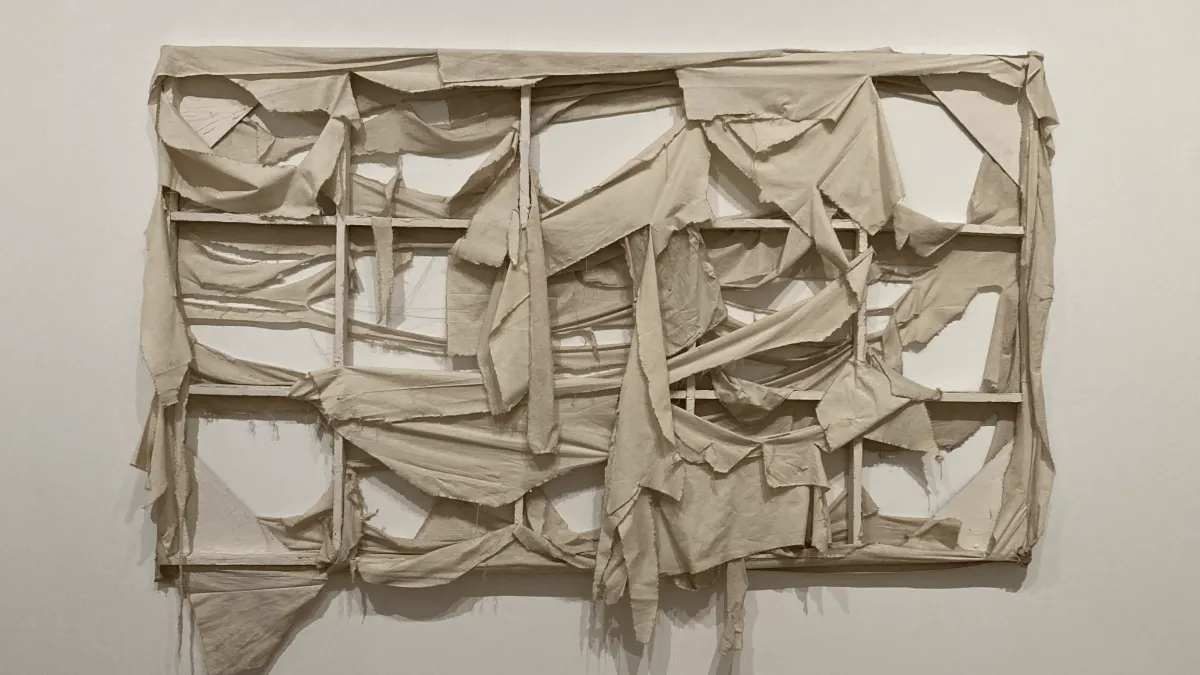
Modern art is the visual and aesthetic manifestation of a cultural decline and the intentional degradation of Western civilisation. It functions as a rejection of the traditional values and theistic worldviews that sustained nation-states and families for several millennia.
The movement signifies the loss of objective standards such as truth, harmony, order, and symmetry in favour of a fragmented and incoherent philosophy. This shift reflects the soul and spirit of a people in a state of dilapidation. The arts no longer strive for the uncreated good but instead embrace absolute nihilism.
Philosophical and Institutional Foundations
The development of modern aesthetics is linked to the work of the Frankfurt School and the application of critical theory. Thinkers including Theodor Adorno and Max Horkheimer identified the degradation of the arts as a primary method for remoulding society. These efforts were designed to deconstruct the patriarchal structures of the West by promoting amoral and degenerate content. The destruction of common sense in society is a calculated outcome of these Marxist and Freudian frameworks.
Institutional support for these movements provided the necessary infrastructure for social engineering. These groups sought to replace the combined knowledge of three thousand years with a microwave culture of instant garbage. This transition involved the promotion of Darwinism and feminism as tools of deconstruction. The ultimate goal is the total wrecking of traditional Western civilisation under the guise of fighting fascism.
Intelligence Agencies and Social Engineering
The Central Intelligence Agency and its predecessor, the Office of Strategic Services, utilised modern art as a scientific tool for social engineering. Through the Congress for Cultural Freedom, the United States government provided extensive funding to abstract expressionist pioneers. This state-sponsored movement served as a toxic weapon in the cultural Cold War. The promotion of the idea that everything is nothing became a primary objective of these operations.
Abstract and modern art movements are one hundred per cent fully funded by intelligence agency fronts. Jackson Pollock and other pioneers were aided by these organisations to steer cultural development away from traditional forms. This involvement included the recruitment of French intellectuals to promote deconstructionist ideals. The entire modern art world functions as a scam racket for toxic cultural manipulation.
Psychological and Spiritual Manifestations
Modern art reflects a spirit of alienation and psychological fragmentation. The introduction of abstract forms corresponds to the rise of psychoanalytic theories and the subsequent loss of common sense. Many modern works are designed to induce dissociative states similar to those achieved through trauma-based mind control. This connection links the arts to experimental programmes such as MK-ULTRA and the work of doctors like John C. Lilly.
The spiritual dimension of these works is defined by darkness and demonic influence. Contemporary art frequently portrays visions of complete isolation and the dissolution of the human soul. Some artists produce works that are explicitly demonic, such as giant wounds filled with nails. These creations are influenced by spirits and demons that reside in the inner realm of the mind.
The Devaluation of Objective Standards
The transition to modernism replaced objective aesthetic principles with the philosophy of emotivism. Under this paradigm, the value of art is determined by the emotional response of the viewer rather than the presence of proportion or form. This subjectivity renders the concept of beauty meaningless and subordinates art to psychological manipulation. Traditional artistic canons required a correspondence to symmetry and mathematical order.
Modernism intentionally abandoned these requirements to facilitate a state of post-lapsarian retardation. Specific movements such as Cubism represent a calculated effort to pass off childlike scribbles as high-value commodities. Some works sold for over fifteen million dollars are indistinguishable from the scribbles of a child. The rejection of traditional norms is a deliberate middle finger to the common human experience.
Postmodernity and the Privation of Meaning
Postmodern art represents the final stage of cultural decay where the work of art becomes a statement on its own nothingness. Figures such as Marcel Duchamp and Andy Warhol pushed the boundaries of the medium to include urinals and consumerist icons as valid expressions. These acts serve as a total rejection of continuity across time. The movement seeks to destroy the universal search for meaning that has defined humanity for six thousand years.
The culmination of the postmodern turn is the total rejection of the transcendentals of truth, beauty, and the good. Art in this era is defined by the absence of a moral guide or a moral message, leading to the celebration of the grotesque. This trajectory concludes in a spiritual abyss where sin and evil are expressed as a privation of being. The work of John Cage, specifically his use of silence, exemplifies the final movement toward total nothingness.
Aesthetic Theory and Metaphysics
The loss of a coherent worldview is directly connected to the loss of aesthetics in modern culture. True beauty must correspond to harmony, symmetry, order, form, and proportion. Theistic worldviews provide the necessary metaphysical foundation for these standards. Without a notion of the Transcendent, the arts are reduced to a meaningless blob of subjective feelings.
Orthodoxy maintains that there are distinct energies within the spiritual realm that art should reflect. Created beauty acts as an analogy for uncreated beauty, but it is not identical to it. Modernity has lost this distinction, leading to a confusion between the created and the uncreated. The failure to acknowledge these mysteries results in the total fracture of the soul and the celebration of the profane.
Cultural Impact and Social engineering
The saturation of the culture with hideous and degenerate art reflects the soul of the society. Murals in urban environments often resemble the hallucinations induced by LSD tabs. This aesthetic environment contributes to the alienation of individuals from their own history and parents. Modernity uses the arts to promote a global culture that unifies different groups through consumerism and bad taste.
The current era is marked by a total discontinuity with the past. This break is intended to create something new that is entirely free from tradition. The absence of God in the culture ensures that there is no longer a general guide for the people. Only the restoration of a theistic worldview and the return to objective standards can end the cycle of cultural destruction.