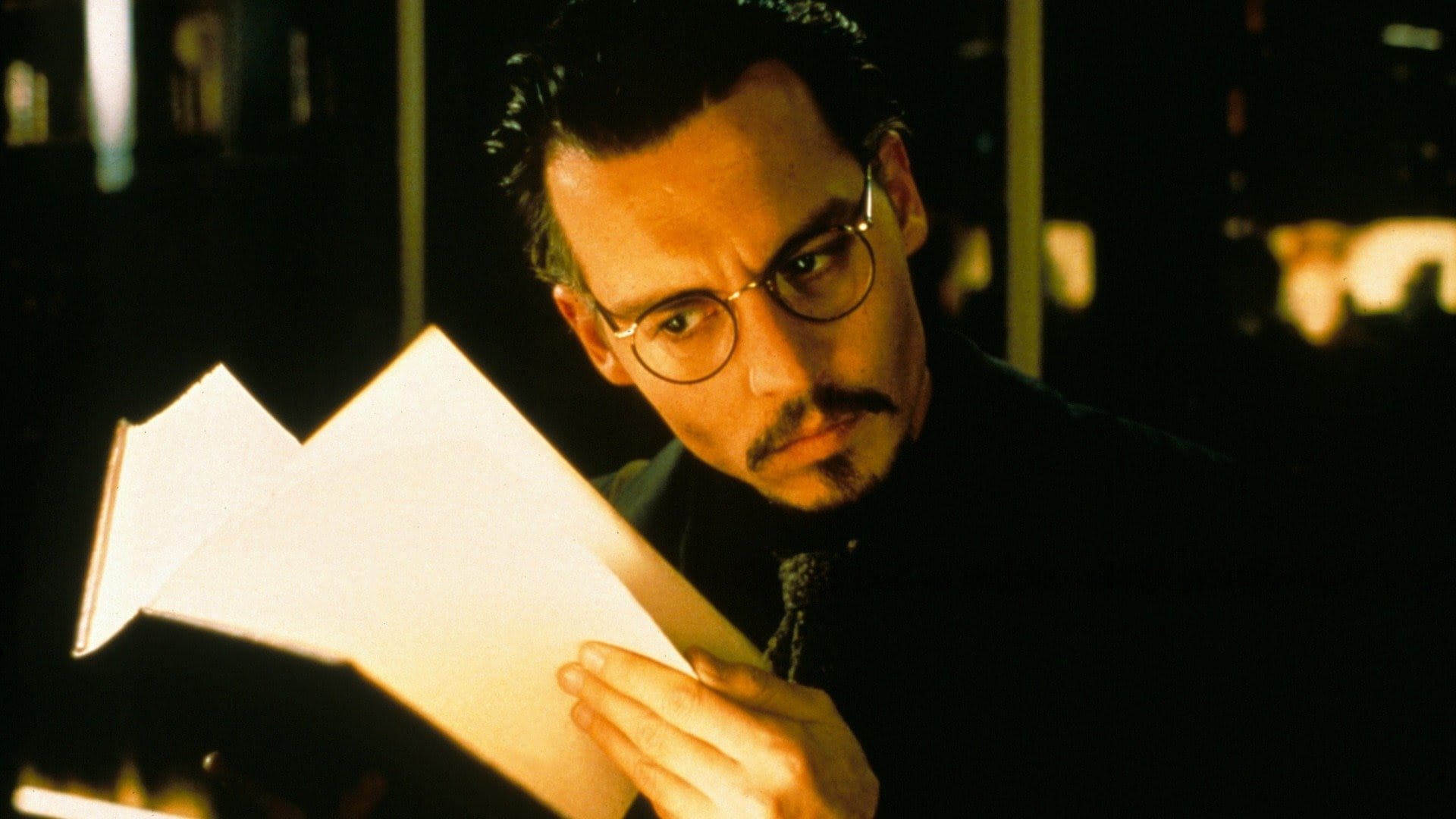
Roman Polanski | 1999
The Ninth Gate shares a thematic landscape with Stanley Kubrick's Eyes Wide Shut, both films serving as windows into the clandestine operations of elite power structures, albeit through different narrative lenses.
The Ninth Gate, under the direction of Roman Polanski, was notably filmed within a Rothschild mansion, a property that, whether still directly owned by the Rothschilds at the time of production, held historical links to the prominent family.
While Kubrick's Eyes Wide Shut primarily focused on psychological and societal critiques rather than overt supernaturalism, Polanski's The Ninth Gate consciously embraces a supernatural and Luciferian narrative. This distinct approach is characteristic of Polanski's consistent exploration of hidden societal mechanisms and their impact, a thematic thread traceable through his earlier works such as Rosemary's Baby.
The Ninth Gate effectively functions as a modern reimagining of Dante's Inferno, chronicling the journey of its protagonist, a book dealer, into a clandestine underworld populated by individuals actively pursuing Satanic or Luciferian power. The lead character ultimately uncovers this elusive power in a manner that is unexpected and deeply unsettling.
Symbolism
The film's engagement with esoteric traditions extends beyond its storyline. The Rothschild mansion itself hinting at a connection to generational old money bloodlines that operate on a level above conventional financial and technological power structures.
These shadowy elites are involved in bizarre occult sex magic, a cryptocracy that governs humanity from behind the scenes. Their worldview is often degenerate and destructive, essentially a repackaged form of ancient pagan psychodrama.
The film's examination of secret societies and their pervasive influence is a consistent motif in analyses of Hollywood cinema. These narratives frequently reveal how the ruling elite, or show masters, manipulate reality and public perception through orchestrated scenarios and the deliberate blurring of boundaries between fact and fiction.
This intentional obfuscation of reality is a form of psychological operation, designed to keep the populace in a state of perpetual disequilibrium, thereby making them more amenable to control and manipulation.
The Ninth Gate, alongside other films that share similar concerns, suggests that the true locus of power resides not with politicians or affluent professionals, but with an occultic, generational bloodline elite.
The Epstein Network shows that this sadly is more than mere a movie conspiracy. These 'elites' operate by an entirely distinct code of ethics, looking at the manipulation of reality and global events as an intricate game or a labyrinth.
The themes woven into The Ninth Gate thus serve as a revelation of the method, intending to enlighten the viewer to the true nature of the power structure and its underlying occult influences.
By laying bare these mechanisms, the film, much like other works in this vein, implicitly encourages the audience to scrutinise the narratives they are presented with by mainstream media and culture.