Theosis, often translated as deification or divinisation, constitutes the central aim and ultimate purpose of human existence.
It describes the process by which a human being is intimately united with God, becoming by grace what God is by nature. This doctrine is rooted in the scriptural promise that believers may become partakers of the divine nature (2 Peter 1:4) and escape the corruption found in the world.
Theosis represents more than moral improvement or legal justification; it is an ontological transformation where the human person is saturated with divine life.
The concept asserts that humans were created to share in the life of the Holy Trinity. Consequently, salvation is not merely a forensic pardon for transgressions but a therapeutic healing and restoration of the human person to their original vocation.
While the term theosis was historically used in Greco-Roman paganism to describe the veneration of rulers, Christian theology adopted and redefined it to describe the spiritual transformation of the believer through incorporation into the Body of Christ. This transformation does not imply that humans become the essence of God or an additional member of the Trinity, but rather that they participate in God's uncreated energies while remaining distinct creatures.
Image and Likeness
Understanding theosis requires examining the specific anthropology found in the book of Genesis. Humanity was created in the image and likeness of God.
Patristic theology distinguishes between these two terms. The image refers to the indelible potential for godliness bestowed upon every human, including rationality, Free Will, and the capacity for relationship. The likeness, conversely, represents the realisation of that potential through virtue and cooperation with divine grace.
Saint Basil the Great tells us that the image is possessed by nature, whereas the likeness is acquired through volition and struggle. Humans were created with a vocation to mature from the image into the likeness, moving from glory to glory in an unending progression of union with the Creator.
Man was introduced into creation as a mediator, a microcosm connecting the visible and invisible worlds. The human person unites the spiritual and material realms, having a body formed from the earth and a soul breathed by God. This unique position allows humanity to act as a priest of creation, offering the world back to God and transmitting divine grace to the rest of the cosmos.
The Ontology of Sin: Hamartia
The interruption of this trajectory towards theosis is defined as sin, or hamartia, which literally translates to missing the mark. Sin is not viewed primarily as a violation of a legal code but as an illness or failure to achieve the divinely appointed purpose of communion with God.
When the first humans turned their desire toward the creature rather than the Creator, they fell from the natural state of communion into a state contrary to nature.
The consequence of this fall was not inherited guilt, as often articulated in Western Augustinian theology, but rather the inheritance of mortality and corruption. Death entered the human condition as a parasite, leading to the fragmentation of the human person and subjection to the passions. The garments of skin mentioned in Genesis signify this biological mortality and the protective, yet heavy, coarseness of fallen biological existence.
Because of the fall, the image of God in man was darkened and tarnished, though not destroyed. The likeness, however, was lost. Humanity became trapped in a cycle of corruption and death, unable to restore itself to the path of theosis without divine intervention. The intellect, or _nous_, which was intended to guide the soul toward God, became darkened and enslaved to the senses and passions.
The Incarnation as Remedy
The Incarnation of the Word of God is the indispensable foundation of theosis. Saint Athanasius the Great summarized this doctrine with the aphorism that God became man so that man might become god. By assuming human nature, the second person of the Trinity reunited humanity with divinity. This union is hypostatic, meaning divine and human natures are united without confusion or division in the single person of Christ.
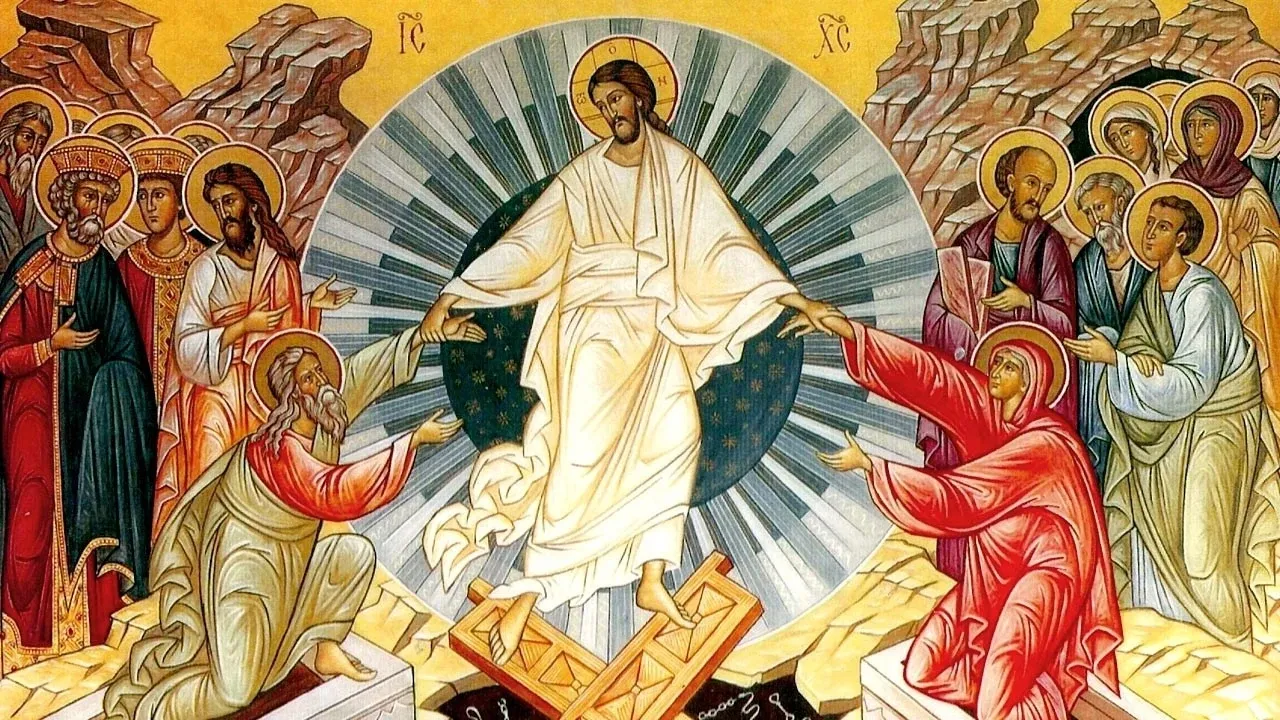
Through the Incarnation, Christ recapitulats the history of mankind, correcting the disobedience of Adam with His own obedience. He sanctified every stage of human existence, from conception to death, and by His resurrection, He destroyed the power of death that held humanity captive. Christ serves as the Second Adam, the prototype of the new humanity, who restores the potential for theosis by making human nature capable of bearing the divine glory.
Some theologians, such as Saint Maximus the Confessor, argue that the Incarnation was the primary purpose of creation and would have occurred even without the fall, as God always intended to unite with His creation. The fall necessitated that this Incarnation also take on a redemptive and sacrificial character to heal the wounds of sin.
Essence and Energies
A critical distinction in the theology of theosis is the Essence Energy Distinction - the difference between God's essence and His energies, a doctrine notably articulated by Saint Gregory Palamas.
God’s essence (ousia) is wholly transcendent, unapproachable, and unknowable to created beings. If humans participated in God's essence, they would become God by nature, resulting in pantheism, which Orthodox theology rejects. However, God is fully present in His uncreated energies, which are His operations, actions, and grace in the world.
Through these energies, God projects Himself into creation, allowing for real and direct communion. The light witnessed by the Apostles at the Transfiguration on Mount Tabor was this uncreated light of divinity.
Theosis is the participation in these uncreated energies, allowing the believer to become god by grace while remaining human by nature. This distinction preserves the absolute transcendence of the Creator while affirming the reality of the creature's mystical union with Him.
Synergy and Praxis
The realisation of theosis requires synergy, or the cooperation of human will with divine grace. While salvation is a gift of God, it is not forced upon humanity; the human will must actively receive and cultivate this grace. This cooperation is manifested through praxis (action) and theoria (contemplation).
The path typically follows a threefold progression:
Purification (Katharsis)
The struggle to cleanse the soul of passions and sinful inclinations. This involves ascetic practices such as fasting, vigils, and obedience, which are designed to tame the flesh and reorient the will toward God. Repentance (metanoia) is the perpetual foundation of this stage, signifying a radical change of mind and direction.
Illumination (Theoria)
As the intellect is purified, it begins to perceive the spiritual principles (logoi) inherent in creation and receives the illumination of the Holy Spirit. This involves the restoration of the _nous_ (the eye of the heart) to its proper function of contemplating God.
Deification (Theosis)
The final stage involves union with God, where the believer participates fully in divine love and glory.
Hesychasm, a tradition of inner stillness and unceasing prayer, plays a vital role in this process. The Jesus Prayer is a primary tool used to focus the mind, descend into the heart, and guard against logismoi (assaultive thoughts) that separate the person from God.
Theosis is not an individualistic pursuit but occurs within the context of the Church, which is the deified Body of Christ. The sacraments (or mysteries) are the means by which the believer is incorporated into Christ and sustained in divine life.
Baptism serves as the initiation into this new life, cleansing the image of God and planting the seed of grace. The Eucharist is viewed as the medicine of immortality, where the believer partakes of the actual Body and Blood of Christ, receiving remission of sins and life eternal. Through the Eucharist, the human person is gradually transformed, as the divine fire consumes the thorns of the passions and sanctifies the body and soul.
The community of saints serves as proof of the reality of theosis. The saints are those who have successfully cooperated with grace to become transparent to the uncreated light, serving as models and intercessors for the faithful.
Eschatology and Final Glorification
The process of theosis begins in this earthly life but finds its completion in the age to come. It is an infinite progress (epectasis) because God is infinite; therefore, the growth in divine likeness never ceases.
At the Second Coming, the body will be resurrected and participate in the glory of the soul. The material world itself is destined for transformation, to be liberated from corruption and filled with divine glory.
The ultimate destiny of humanity is to stand in the divine council, participating in the eternal life and love of the Holy Trinity, fully human and fully deified. Thus, theosis is the restoration of the original beauty of the human person and the fulfilment of the divine plan for all creation.