Theology/Catechumens
Lecture VI
Lecture VI of SAINT CYRIL'S 23 INSTRUCTIONS
Theology/Catechumens
Lecture VI of SAINT CYRIL'S 23 INSTRUCTIONS
Theology/Catechumens
Lecture XI of SAINT CYRIL'S 23 INSTRUCTIONS
Theology/Catechumens
The Passover, or Pascha, constitutes a foundational ceremony for the Israelites, marking the transition from slavery in Egypt to the establishment of their identity as a people. This event, closely linked to the final plague—the death of the firstborn—is fundamentally related to the concept of a ...
Theology/Catechumens
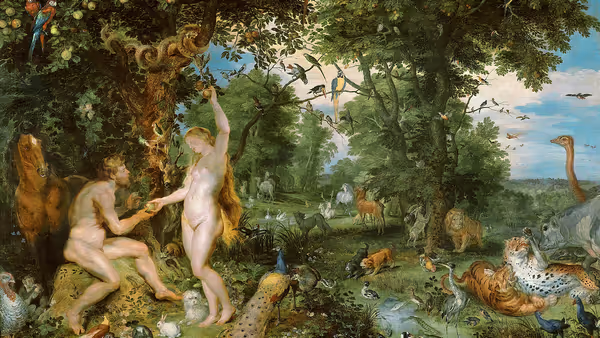
Adam was created immortal, that is to say as long as he lived in God's will and likeness, he would live forever.
Theology/Catechumens
The primary biblical account of the Nephilim is found in Genesis 6:1–4. The text describes a period when humanity began to multiply on the earth. It states that the sons of God saw that the daughters of men were attractive and took wives from among them. The Nephilim
Theology/Catechumens
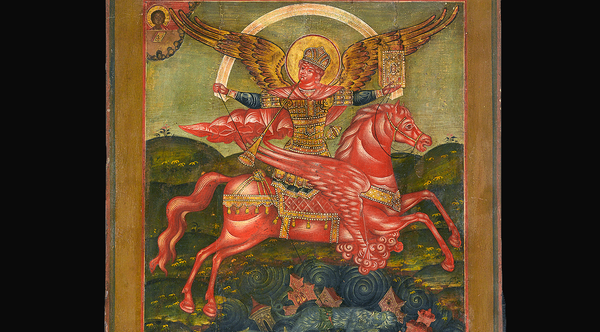
The Celestial Hierarchy constitutes a sacred order and an operation assimilated, as far as is attainable, to the likeness of God. Within the theological framework established by Saint Dionysius the Areopagite, hierarchy is not merely a system of governance or ranking, but a vehicle for the deification of created beings.
Theology/Catechumens
The **First Ecumenical Council**, also known as the **First Council of Nicea**, was a landmark assembly in Christian history, convened in Nicea in A.D. 325. This Council served as a foundational event, establishing a pattern for all subsequent Ecumenical Councils.
Theology/Catechumens
FIRST CATECHETICAL LECTURE FROM SAINT CYRIL'S 23 INSTRUCTIONS
Theology/Catechumens
The **Holy of Holies** is the most sanctified place within the Temple.
Theology/Catechumens
The Virgin Mary conceived Jesus Christ by the power of the Holy Spirit.