Montanism was a heretical movement that originated about 156 and was named after its founder Montanus. It flourished mostly in and around the region of Phrygia in Asia Minor, where early on its followers were called Cataphrygians.
It spread to other regions in the Roman Empire. This Montanist Heresy arose at a time before Christianity was generally tolerated or legal in the Roman world.
With the mainstream of the Orthodox Church prevailing against Montanism, the movement died out within a few generations although the sect persisted in some isolated places into the eighth century.
The beliefs of Montanism contrasted with Orthodox Christianity in the following ways:
- The belief that the prophecies of the Montanists superseded and fulfilled the doctrines proclaimed by the Apostles
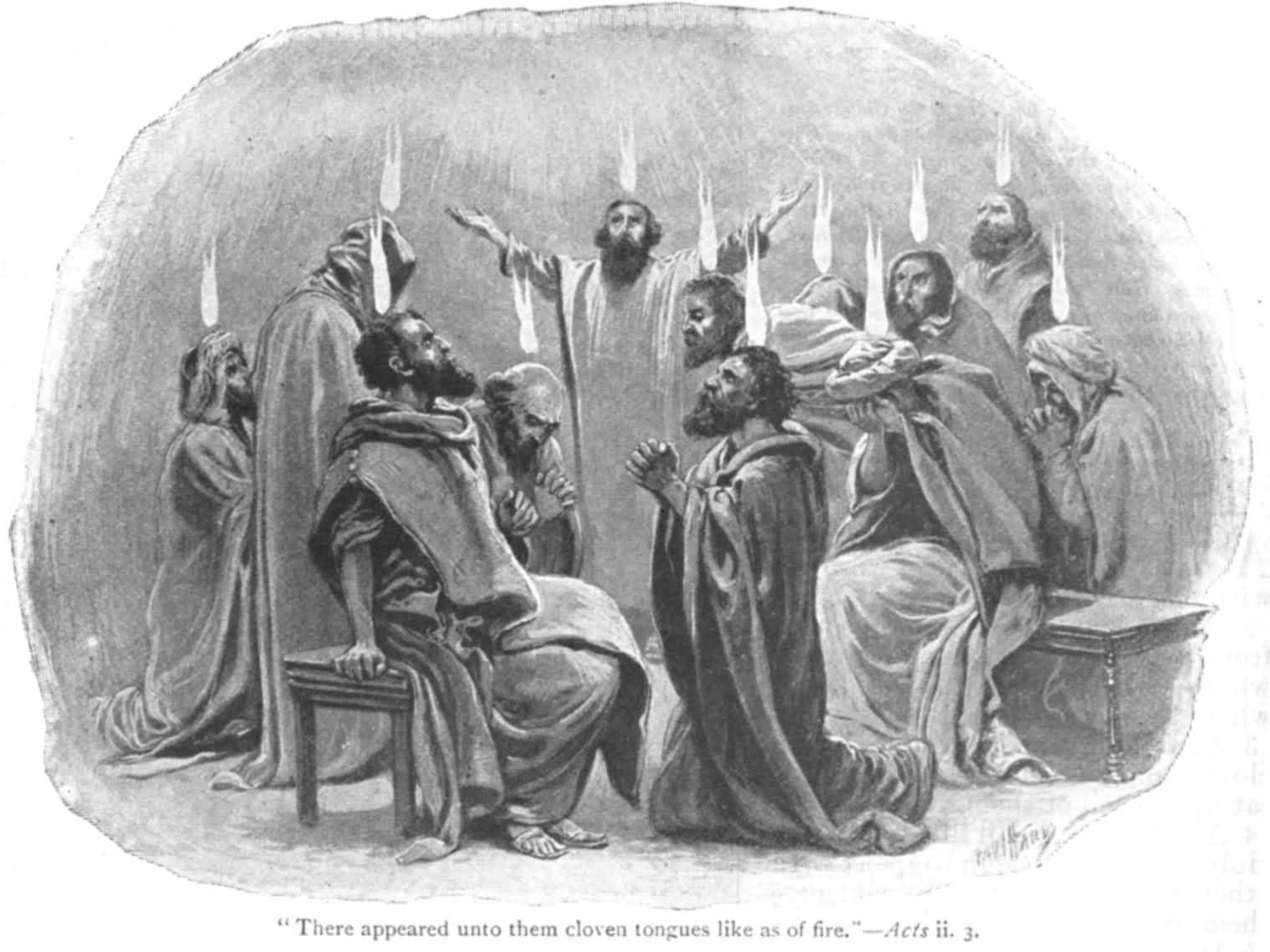
- The encouragement of ecstatic prophesying, contrasting with the more sober and disciplined approach to theology dominant in Orthodox Christianity at the time and since.
- The view that Christians who fell from grace could not be redeemed, in contrast to the Orthodox Christian view that contrition could lead to a sinner's restoration to the church.
- The prophets of Montanism did not speak as messengers of God: "Thus saith the Lord," but rather described themselves as possessed by God, and spoke in his person. "I am the Father, the Word, and the Paraclete," said Montanus.
- A stronger emphasis on the avoidance of sin and on church discipline than in Orthodox Christianity. They emphasised chastity, including forbidding remarriage.
- Some of the Montanists were also "Quartodeciman" ("fourteeners"), adhering to the celebration of Pascha on the Hebrew calendar date of 14 Nisan, regardless of what day of the week it landed on. The Orthodox held that Pascha should be commemorated on the Sunday following 14 Nisan. (Trevett 1996:202)
Jerome and other church leaders claimed that the Montanists of their own day held the belief that the Trinity consisted of only a single person, similar to Sabellianism, as opposed to the Orthodox view that the Trinity is one God of three persons which Tertullian also had held.
There were some who were indeed modalistic monarchians (Sabellians) and some that were closer to the Trinitarian doctrine. It is reported that these Modalists baptised mentioning the name of Jesus Christ as opposed to mentioning the Trinity. Most of the later Montanists were of the modalistic camp.